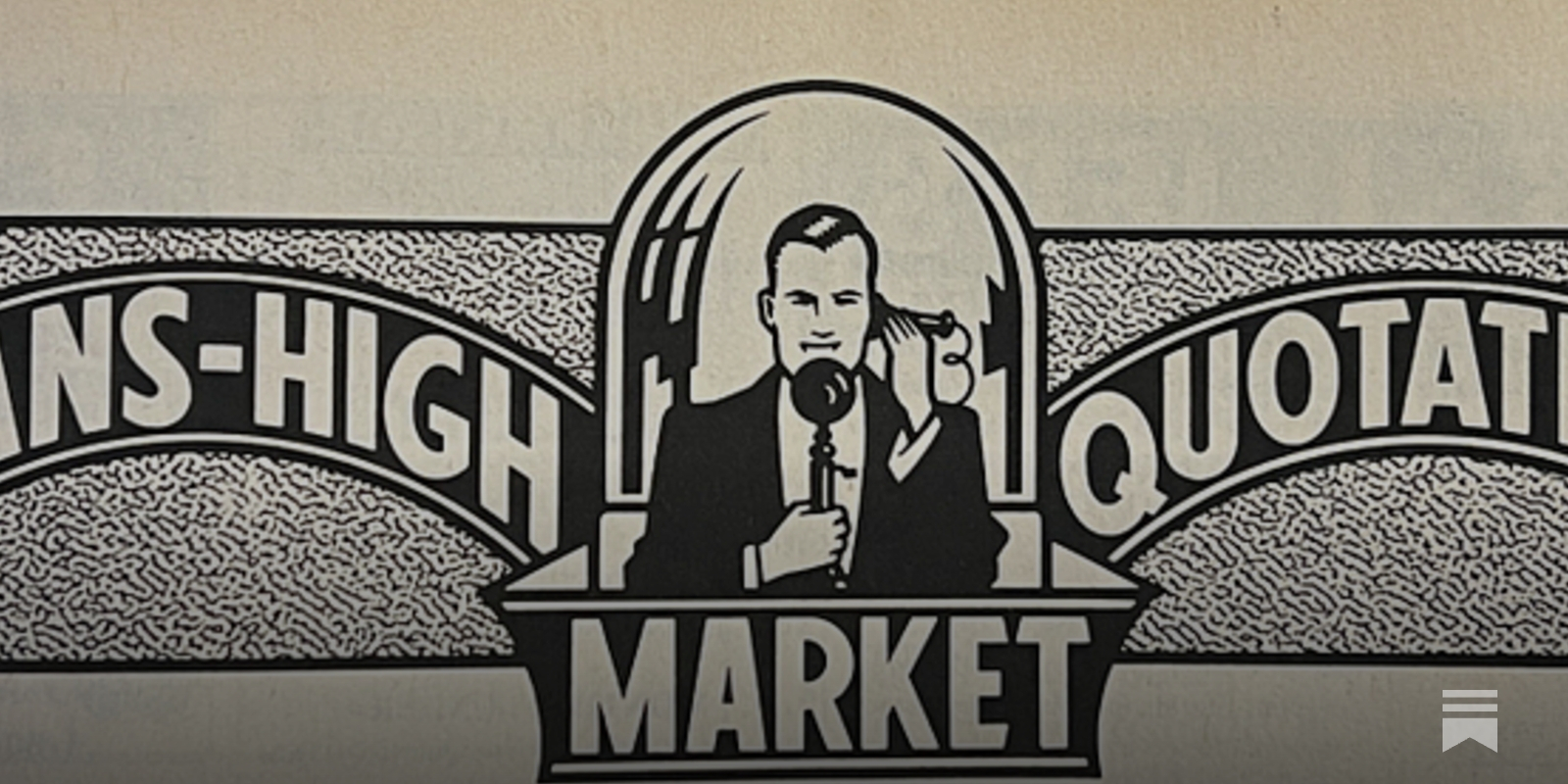
[#item_full_content] [[{“value”:”Right before the Labor Day Weekend, High Times announced it had brought back one of my absolute favorite features of the magazine from back in the day — the cannabis price index. Known as the Trans-High Market Quotations (THMQ for those in the know), it was a recurring roundup that featured weed prices from around the nation sent in from weed-head readers coast to coast (get this, via U.S. Mail to the publication’s Park Avenue headquarters in New York City). I liked it not just because it gave me an idea of what my fellow herbal adventurers were shelling out for their green but also because some of the occasional fun descriptions and contextual snippets were pure comedy gold. Like this gem from the February, 1992 issue, which was a snapshot of prices around the U.S. as of November 30, 1991: “MAINE … Kennebunkport: Indica, “sticky, dain-bramaging outdoor, grown within a mile of the prez’s cottage!”: $50 1/4 ounce.” (That prez being George H.W. Bush.)
Subscribe
I don’t exactly know when the THMQ got the ax but the point is it’s back — relaunched online at index.hightimes.com and using real-time data provided by cannabis market data firm Hoodie Analytics. And while it does, indeed, provide a “snapshot” of what prices are (according to a story recently published by High Times, it’s based on data from “12,000 licensed dispensaries across the country and backed by more than 4,000 direct POS integrations”), after plunking around with the interactive map for a bit, I’ve come to the conclusion that, in its current incarnation, the new Flower Price Index leaves a lot to be desired. (I say this as both a freelance contributor to the publication and someone who has the utmost respect for Javier and the team over at HT HQ.)
Part of that has to do with the fact that it’s powered by real-time data and not real, old-school pot people and therefore lacks the warmth of community commentary like: “_Mau_i: Kona Budz, ‘put on the Led Zeppelin, find something to drink and enjoy’ $125 1/4 oz., $480 oz.” And, while they are very much asking for readers to send in prices from around the country through an online form, there’s nowhere on that form to include anything beyond the basics (state, city, amount, date and price paid). But that’s just my yearning for a nostalgic flourish that most people probably don’t even remember.
My bigger issue is that the prices served up exclude state and local excise taxes, which makes it impossible to make any sort of meaningful comparison between states. For example, right now, 3.5 grams (an 1/8 of an ounce) of cannabis is indexing at $21.80 in California and $31.32 in my home state of Vermont. But the reality is, with Vermont’s 14% cannabis excise tax and 6% sales tax (and assuming there’s no 1% local option tax) adding 20%, that $31.32 becomes $37.58. In Los Angeles, by comparison, the state cannabis excise tax (25%), state sales tax (7.25%), county sales tax (another 2.25%), city of Los Angeles cannabis business tax (10%) brings the tax tally to 34.5%, making that 1/8 of an ounce $29.32. What at first glance looked like a $9.52 price disparity is, when you do an apples-to-apples comparison, is $6.26 different. That might not set off any alarm bells for you, but even if you just look at the different state’s wildly varying cannabis tax rates alone (from 6% on adult-use cannabis in Missouri at the low end to 37% in Washington at the high end) you’ll realize you’re getting less than the whole picture.
What’s worse, in my opinion, is that while the high taxes on legal cannabis are one of the reasons people still buy from unlicensed shops, someone with less than a good grasp on the situation is likely to look at those pre-tax prices and think weed is looking pretty darn affordable — and perhaps deserving of a tax increase, when the reality is just the opposite.
It seems like it should be an easy thing for Hoodie to tweak on the data-providing end. I certainly hope so. Because unless and until the tax burden is factored in, meaningful comparison is impossible and the pricing picture is inaccurate.
High Adam is a reader-supported publication. To receive new posts and support my work, consider becoming a paid subscriber.
Subscribe”}]] 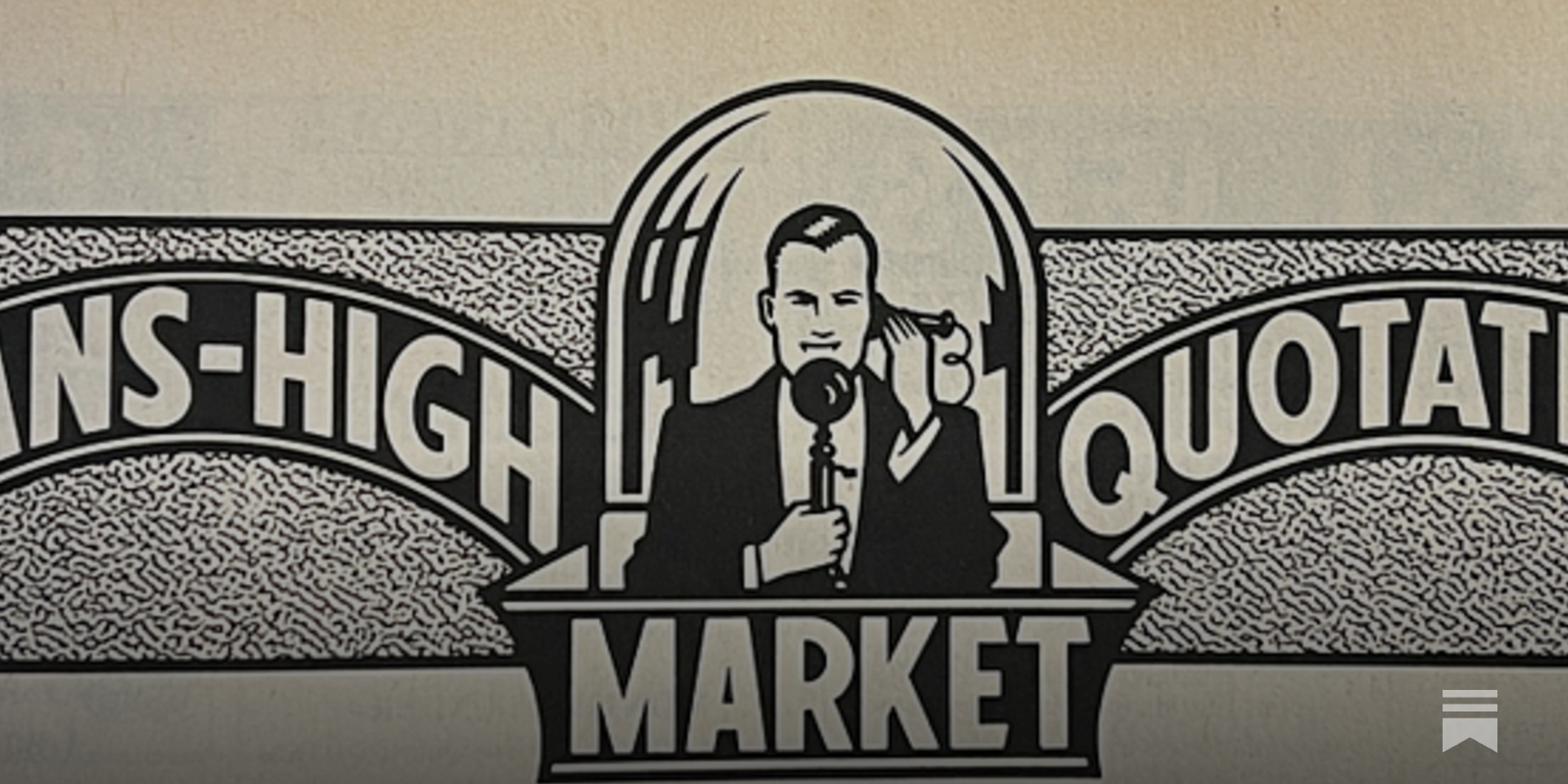 Read More
High Times Revives Its Cannabis Price Index and This Time It Hits Different

ByPot Shop News
September 8, 2026