
[#item_full_content] [[{“value”:”In this edition, s_ponsored by Weeks Plumbing:_
Sentencing in Plain City’s Baby Doe case
Where Jerome Township might allow cannabis-related operations
Federal tax status extended for site of potential data center site at Marysville South
More rental options, easing prices — and a new chapter for a Marysville landmark
Jerome Township park to benefit from state grant
City budget 101: Where the money comes from, where it goes
But first, a word from our sponsor
Before freezing temperatures settle in, Weeks Plumbing has a simple reminder: Disconnect garden hoses from outdoor spigots and store them away for the season.
Leaving a hose attached can cause the spigot to freeze and burst. When temperatures rise, that damaged plumbing can send water into your basement or crawl space, turning a small oversight into a big headache.
A few minutes of prevention now can save you a lot of trouble later.
Need help getting your plumbing ready for winter? Your Weeks Plumbing team is a phone call away.
Got leaks? Call Weeks!!
937-642-7723
November has wasted little time filling the rain gauge.
Marysville recorded 1.69 inches of rain during the month’s first full week, with last Thursday’s soaking accounting for most of it.
That’s according to data tracked at the Union County Airport weather station.
For perspective, Marysville averages 2.90 inches of precipitation for the entire month. That means we’ve collected about 58% of a typical November’s rainfall total.
Thursday delivered 1.24 inches of rainfall.
Sunshine is forecast this week, with daytime highs in the upper 50s and lower 60s.
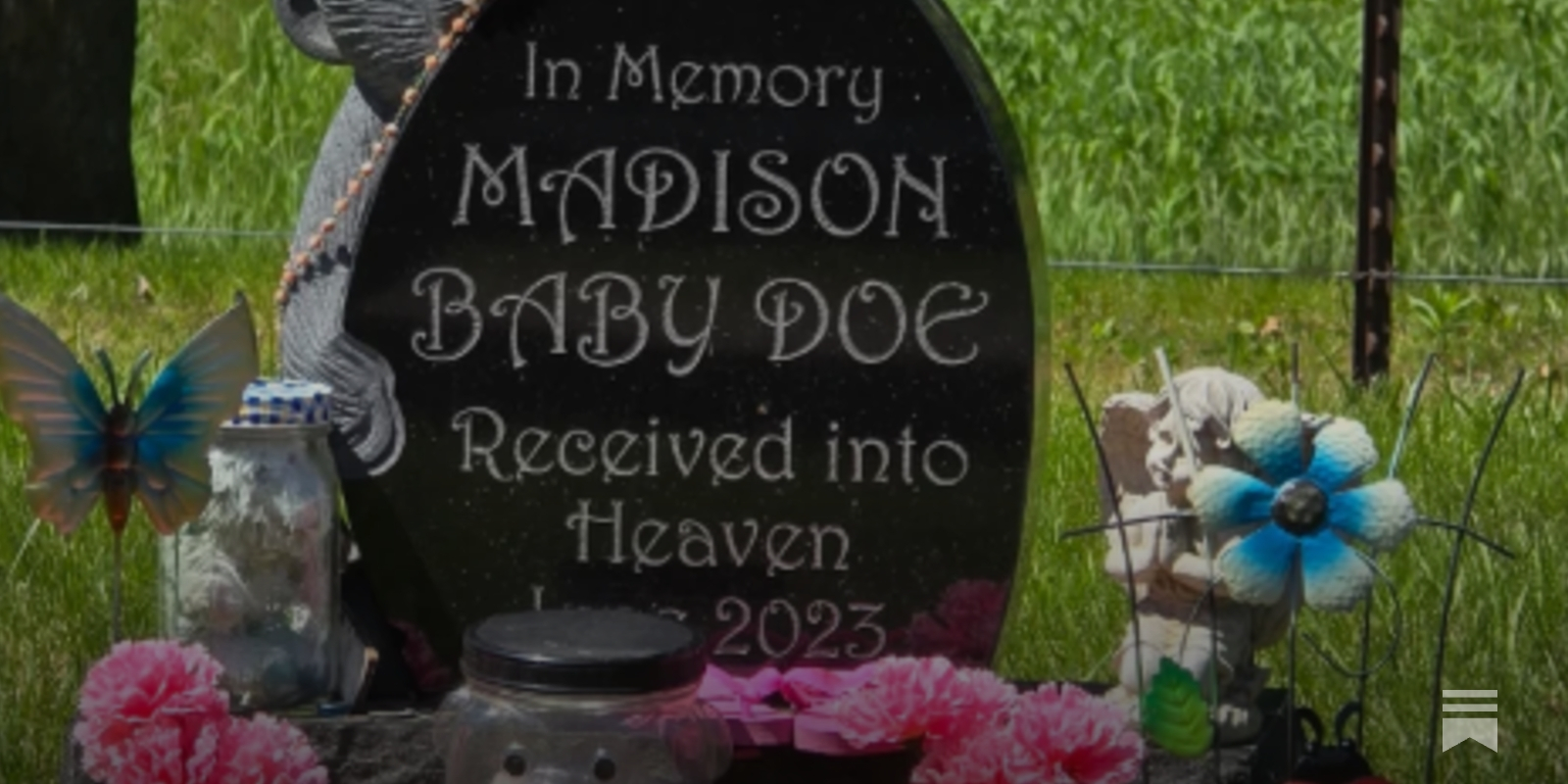
Plain City Baby Doe case
The mother of an infant found dead in a garbage truck in Plain City more than three years ago has been sentenced to 90 days in jail and five years of community control.
Anuradha Manukonda was sentenced Nov. 6 in Madison County Common Pleas Court after pleading guilty to gross abuse of a corpse, a fifth-degree felony, according to the Plain City Police Department.
The baby’s body was discovered June 16, 2023, in the back of a garbage truck on Bluestem Lane. Before investigators identified her, the community gave her a name: Madison Baby Doe. More than 100 people attended her funeral.
“Our community was saddened, shocked, and devastated at the discovery,” the department said in a statement following sentencing.
Police said forensic evidence and DNA collection and analysis eventually led investigators to a home on Bluestem Lane.
Manukonda occasionally visited family there, and investigators identified her as the baby’s biological mother.
She was indicted in 2025 on a single count of gross abuse of a corpse. In its statement, the department described that offense as “the only crime that could be proven.”
In a sentencing memorandum, defense attorney Sanjay K. Bhatt offered an account of what happened before the discovery.
Bhatt wrote that Manukonda did not know she was pregnant and unexpectedly delivered what he described as a stillborn baby while visiting her cousin in Plain City.
He said a medical condition caused irregular menstrual cycles and that an earlier pregnancy test had been negative.
According to the defense filing, Manukonda wrapped the baby’s body in a plastic bag and placed it in the trash.
Bhatt said she accepted responsibility, had no prior criminal record, and had received mental health counseling. He asked the court to consider her shock and confusion when imposing sentence.
Following sentencing, police said the community now has a degree of closure.
“We will always remember that horrific day in the summer of 2023, and we will NEVER forget Madison Baby Doe,” the department said.
Jerome Township zoning
Jerome Township trustees want to explore a change up to the township’s ban on cannabis-related businesses.
Cannabis dispensaries, growing operations and processing businesses would be allowed in designated parts of Jerome Township under proposed zoning changes headed to a public hearing later this month.
The proposal would establish where state-authorized cannabis businesses could operate in the township’s unincorporated areas, with restrictions on their proximity to schools, parks, churches and one another.
The Jerome Township Zoning Commission will hear public comments Monday, Nov. 23, at 7 p.m. at Township Hall, 9777 Industrial Parkway.
Under the proposal, dispensaries would become conditional uses in the Regional Retail district, near the US 33 / SR 161 / Industrial Parkway intersection.
Cannabis cultivators, processors, and testing laboratories would become conditional uses in the Commercial district. Those are existing zoning districts in the township’s code.
That means businesses would need approval from the township’s Board of Zoning Appeals and would have to meet applicable development standards before operating.
The proposed definitions cover businesses handling both medical and adult-use marijuana.
Location would be a major consideration.
Cannabis facilities generally would have to stay at least 500 feet from properties containing a church, public library, public playground, public park, or school, with exceptions recognized under the state law cited in the proposal.
Dispensaries also would have to remain at least 1,000 feet from another dispensary’s property. Both distances would be measured in a straight line from property line to property line.
The amendment would prohibit cannabis facilities in zoning districts where they are not expressly allowed. It also would prohibit cannabis businesses from operating as home occupations and specify that cannabis facilities do not qualify as agricultural uses for zoning purposes.
Dispensaries with drive-through windows would have to provide vehicle queuing space under the township’s existing standards. Cannabis facilities also would have to follow applicable rules for exterior lighting and the placement, enclosure, and screening of loading areas, dumpsters, and refuse areas.
Township trustees initiated the amendment.
Following the Zoning Commission hearing, the matter will go to trustees for action.
This is what it looks like when residents stay informed. If you find value in this work, share it with a neighbor, a colleague, or anyone who cares about this community. Paid subscriptions keep it going — $5 a month.
Subscribe
Marysville development news
Federal Opportunity Zone eligibility for a 600-acre Marysville South site will extend through 2036.
The designation extension gives what could become the site of a potential data center project eight more years to attract investment under the program.
The property between Weaver Road and Industrial Parkway was already covered by a designation set to expire at the end of 2028.
The extension comes through a new designation approved by the U.S. Treasury and announced Thursday by Gov. Mike DeWine.
It takes effect Jan. 1, 2027, overlapping the original designation for two years before carrying eligibility through the end of 2036.
That longer window could help finance future construction.
Eligible investors can receive federal capital-gains tax benefits by investing through a qualified Opportunity Fund, which could take an ownership stake in a qualifying phase of the project.
Anadonna LLC backers have yet to say publicly whether the project will come to Marysville, but development officials have confirmed it remains a possibility.
The federal incentive accompanies a local tax deal City Council approved 5–2 on Dec. 1, 2025.
That agreement provides a 15-year, 100% property-tax abatement on new data center buildings.
Anadonna project backers would pay property taxes on the land and make annual payments in lieu of taxes shared by the city, Marysville schools, and Ohio Hi-Point Career Center.
The city estimates at least $1 billion in investment at the site if project backers choose to move forward.
DeWine said the Opportunity Zones “will help attract investments that can make a real difference in the lives of Ohioans.”
Housing in Union County
(Photo by The Courtright Group Facebook page)
As new rental inventory comes online in Marysville, apartment rents are easing. But not every new apartment in town is part of a new construction project.
Some are tucked inside a familiar brick building that still advertises what Marysville once made.
The former Marysville Cabinet Company building is advertising 12 available one- and two-bedroom apartments, bringing renovated living spaces to a landmark whose exterior still bears the words “Bank, Store, & Office Fixtures.”
The Courtright Group is marketing the building.
The offering comes as RentCafe’s latest market report puts Marysville’s average apartment rent at $1,394, down about 6% from $1,482 a year earlier.
That’s $88 a month, or $1,056 over a year.
The figures, updated Oct. 31, show these average monthly rents:
One bedroom: $1,182, averaging 654 square feet.
Two bedrooms: $1,432, averaging 1,014 square feet.
Three bedrooms: $1,731, averaging 1,252 square feet.
About 61% of apartments in RentCafe’s Marysville data rent for between $1,001 and $1,500 a month.
At the Cabinet Company building, advertised rents range from $1,300 to $1,900.
Marysville’s overall average rent remains slightly above Columbus at $1,355, but below Hilliard at $1,454, Delaware at $1,549 and Dublin at $1,614.
Parks and Rec
A $125,000 state grant will help Jerome Township upgrade the playground at Harry Wolf Park.
Trustees voted unanimously last week to authorize their board chair to sign the grant agreement with the Ohio Department of Natural Resources. The money comes from the department’s capital improvement budget and is earmarked for the playground.
Township Administrator Douglas Stanley told trustees the township has paperwork to complete before it can be reimbursed for the work.
“This is just one of the steps that we have to do to make us in compliance to get the money,” Stanley said.
The resolution, prepared by Assistant County Prosecutor Gray, directs Stanley and Fiscal Officer Robert Caldwell to handle the paperwork and move ahead with final plans for the playground.
Trustees Barry Adler, Andrea Watson and Joe Craft voted in favor.
By the. numbers
Marysville City Council will hold public hearings on its 2027 budgets this evening.
So how does the City budget work?
Marysville’s budget pays for everything from police patrols to water plant expansions. But those dollars come from different places and serve different purposes.
Start with two basic categories: capital budgets pay for long-term investments, such as road construction and water plant expansions.
Operating budgets cover the ongoing costs of running the city.
The City’s general fund mostly fuels the operating budget.
The General Fund: The daily checkbook
The General Fund is the city’s day-to-day checkbook. It pays for core services, administrative staff, and public property maintenance.
Income taxes are its primary funding engine.
About 78 cents of every dollar coming into the General Fund comes from taxes on local wages and business earnings. Property taxes, service charges, and state funding supply additional revenue.
Where does that money go?
About 51 cents of every dollar spent from the General Fund — roughly $20 million — is transferred to separate funds supporting police and fire operations.
The remaining dollars pay for engineering, finance, parks upkeep, legal services, and local street paving.
Enterprise funds: Utilities paying their own way
Water, sewer, stormwater, and sanitation operate through a different structure: enterprise funds.
Think of them as self-supporting businesses within city government. They are funded by monthly user fees and service charges paid by residents and businesses.
Those charges cover the full cost of operating water and wastewater treatment plants, buying chemicals, maintaining underground pipes, and extending utility lines to serve new growth.
They also pay for major plant upgrades.
That means utility customers fund both the daily work and the long-term investments needed to keep those systems running.
Marysville’s utilities essentially pay their own way, without relying on income or property tax revenue.
Community feedback
Marysville residents like to belly-ache about traffic.
But when the opportunity comes to provide input, residents often pass on it.
Such was the case for the East Fifth Street project.
Before construction began on East Fifth Street, the few residents who showed up to an open house told Marysville officials what worried them: speeding cars, difficult left turns, unsafe crossings, and whether fixing one traffic problem would create another.
The city’s record of public feedback from summer 2025 showed limited interest in improving the corridor and disagreements over how to do it.
An open house on June 30, 2025, at the Marysville Police Division drew only 12 attendees — 12 people out of 30,000 residents.
The comment period continued through July 30 of last year.
In the end, the city classified 33 responses: seven supportive, three opposed, one uncommitted, and 22 conditional.
Residents often liked parts of the proposed designs while raising concerns about others.
Chestnut Street was a recurring trouble spot.
Several commenters wanted a traffic signal to help drivers turn left onto Fifth Street and give pedestrians a safer crossing. Others favored prohibiting that left turn, arguing another light could create backups.
One resident living near the intersection described drivers accelerating hard to squeeze into gaps in traffic. The same resident said they watched vehicles approach from three directions while crossing Chestnut with two dogs.
Other comments focused on the everyday challenges of living along a busy street.
A parent wanted sidewalk ramps that would make traveling with a stroller easier. Residents questioned whether medians or curb extensions would make it harder to access driveways, eliminate visitor parking, or complicate deliveries.
Narrower lanes divided commenters, too. Supporters saw a way to slow drivers and make the street more comfortable for people walking. Opponents feared more congestion and traffic spilling onto Fourth and Sixth streets.
Trees and landscaping drew a similarly mixed response. Some welcomed a greener entrance to Uptown. Others worried about blocked sightlines, maintenance, and snow removal.
Business access also surfaced well before construction.
One business owner warned that closing Fifth Street would leave customers searching for a difficult-to-find alley entrance from Sixth Street.
The project team’s written responses, dated March 23, 2026, explain where the design ultimately headed: a modified version that is being built today.
The recommended design includes dedicated westbound left-turn lanes at Walnut and Chestnut streets, medians at Chestnut and Vine streets, narrower travel lanes and 12 on-street parking spaces.
Northbound drivers on Chestnut would be limited to right turns onto Fifth, without a new traffic signal there.
The team said traffic modeling helped guide the design and that the plans addressed traffic diversion during construction. It also acknowledged practical concerns, including snow clearing around curb extensions.
Project on schedule
The city says the corridor upgrades remain on schedule, though the full road closure continues.
November brings another round of curb work, about 240 feet of storm sewer on the north side, center medians and driveway approaches. Milling and paving are also planned.
For drivers, patience remains part of the project.
But if you have thoughts on the final design, remember, you had your chance to chime in last summer.
Complaining on Facebook doesn’t count.
The following is a paid advertisement
Morning commute coffee. ☕️
The *I survived that meeting* coffee.
The *I’m running errands and deserve a little treat* coffee.
Let’s face it. Most of us don’t need much convincing to grab a drink.
But at Richwood Coffee, that everyday habit can do something pretty incredible.
Instead of paying a set price for your drink, you donate to a local nonprofit beneficiary. Your drink is our way of saying thank you.
That means the coffee you were going to get anyway helps support organizations doing good right here in our communities.
Timely. Fact-based. No filler. And no paywall!
Do you have a story idea for the newsletter? Drop me a note with tips, press releases, and story ideas at joedcase@gmail.com.
You can help us as we grow:
Hit the LIKE button (it matters, too!)
SHARE the newsletter with a friend or co-worker.
Follow us on Facebook for breaking updates and on our new Instagram account.
Subscribe for FREE daily updates straight to your inbox!
A big thanks to Weeks Plumbing for sponsoring today’s edition!
Have a great Monday!
-Joe C.”}]] 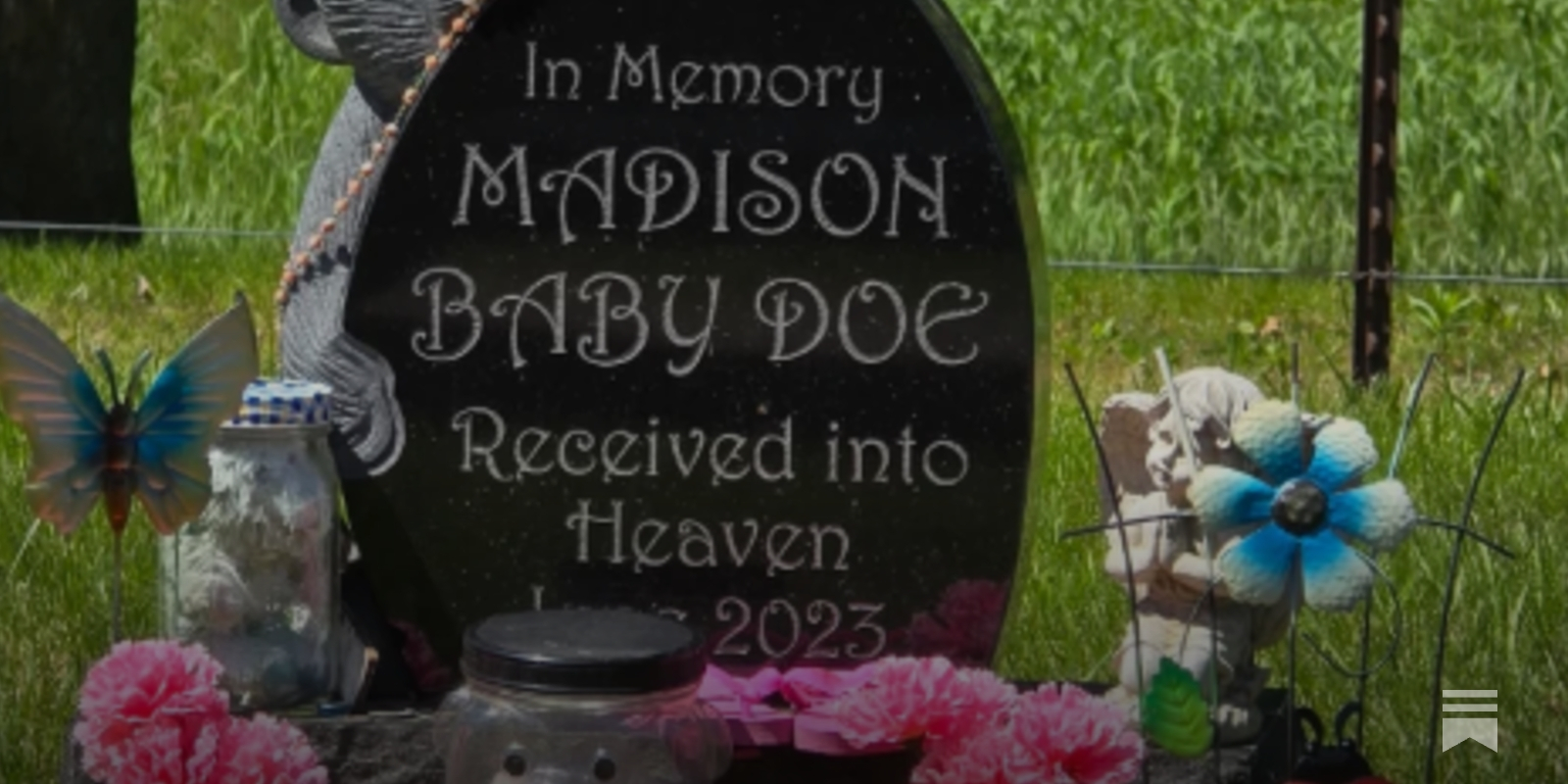 Read More