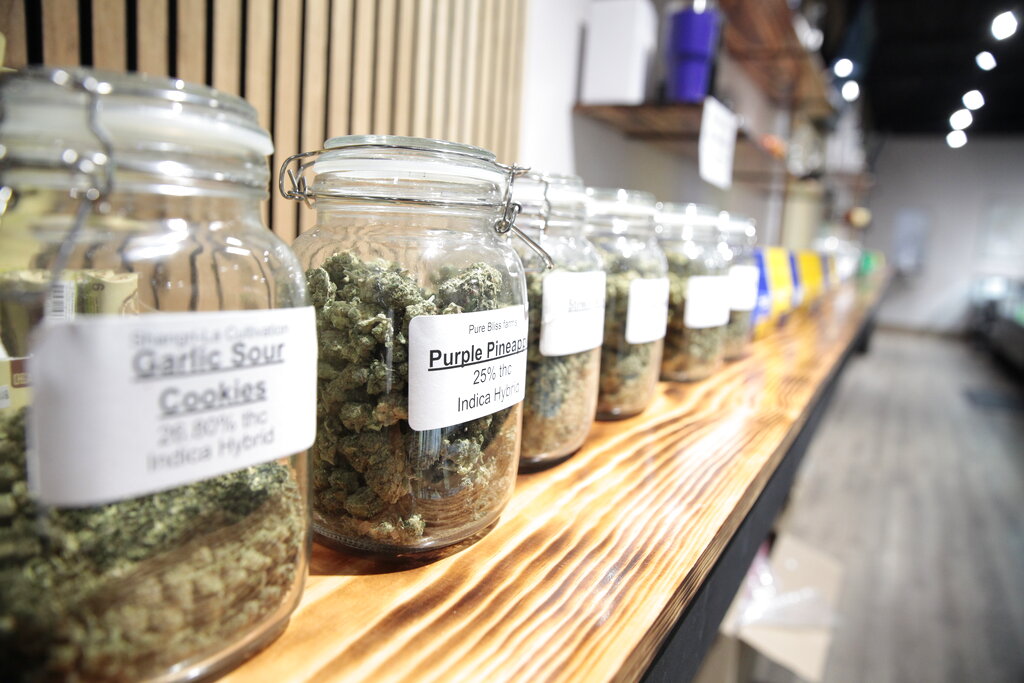
[#item_full_content] Taxes States can’t count on marijuana tax revenue growth Cannabis supply has eventually exceeded demand in all mature state markets. Sophie Quinton 06:00 AM, Jun 30, 2026 Jars of marijuana line a shelf at The Flower Shop Dispensary in Sioux Falls, S.D. on Oct. 14, 2022. (AP Photo/Stephen Groves) Taxing recreational marijuana sales boosts state revenues, but strong initial growth doesn’t last, according to new data collected by the Marijuana Policy Project. Cannabis supply has eventually exceeded demand in all mature state markets. That has driven down prices and therefore tax collections, which are typically set as a percentage of retail price. Marijuana taxes comprise a tiny share of state revenues. Still, slowing or declining collections can create problems for budget writers and programs that benefit from marijuana cash, such as schools and substance abuse treatment programs. “Prices have dropped significantly in a lot of those markets, and obviously taxes are a percentage,” said Adam Smith, executive director of the Marijuana Policy Project, a nonprofit that advocates for legalization. Colorado’s marijuana-related sales and excise tax revenues have collapsed since 2021, forcing lawmakers to take action to balance the marijuana cash fund. The Legislature last year canceled plans to move $20 million out of the fund to pay for school facility upgrades and repealed a required $3 million annual distribution to fund a substance abuse treatment pilot program. This year they eliminated distributions from the marijuana fund to local governments. Policymakers in states that have recently legalized recreational marijuana should set realistic revenue expectations, said Emily Dohrman, a senior economist with the Legislative Council Staff, a nonpartisan team that advises the Colorado Legislature. Her team is expecting marijuana revenues to stabilize next fiscal year. “It can seem like a silver bullet at first, because the market is exploding so much,” she said of initially rapid revenue growth. “But keep in mind that there will be a limit at some point.” According to the Marijuana Policy Project data, marijuana-related tax collections are declining in six states that launched legal sales at least eight years ago: Alaska, California, Colorado, Nevada, Oregon and Washington. Tax collections are plateauing in Massachusetts, Michigan and Illinois, where legal sales began between six and eight years ago. Revenues are growing in most of the remaining 14 states that legalized more recently. Initial growth in many of those states is more muted than the rapid rise enjoyed by the first states to legalize. Michigan fiscal analysts expect marijuana tax revenues to decline by 2% this fiscal year and remain more or less flat after that, said David Zin, chief economist for the nonpartisan Michigan Senate Fiscal Agency. “Competition has been insane, and that’s driving the price down,” he said. “Since our tax is a percentage of the price, that has caused a problem.” A tax increase may also be hurting sales. Michigan this year imposed a 24% wholesale tax on marijuana products, in addition to the existing 10% excise tax and 6% tax on retail sales, to raise money for transportation projects. “We weren’t expecting that to have a huge impact on revenue, but obviously there’s some elasticity if you raise the price,” Zin said. Slumping tax collections in mature markets are a symptom of wider problems in the legal cannabis industry, Smith said. Selling recreational marijuana to adults remains illegal under federal law. That means businesses cannot legally sell across state lines or claim federal business tax breaks, and they must be tightly regulated by states. Licensed growers and retailers face high operating costs yet must compete with illegal marijuana and hemp cannabinoid businesses that sell similar products for less. High taxes worsen the situation, Smith said. “One of the original sins of this all was that it [legalization] was sold as this huge revenue package,” Smith said — rather than, say, as a way to reduce arrests for marijuana possession. “We celebrate the fact that states are funding roads and bridges and public safety, but there’s a sweet spot,” he said. 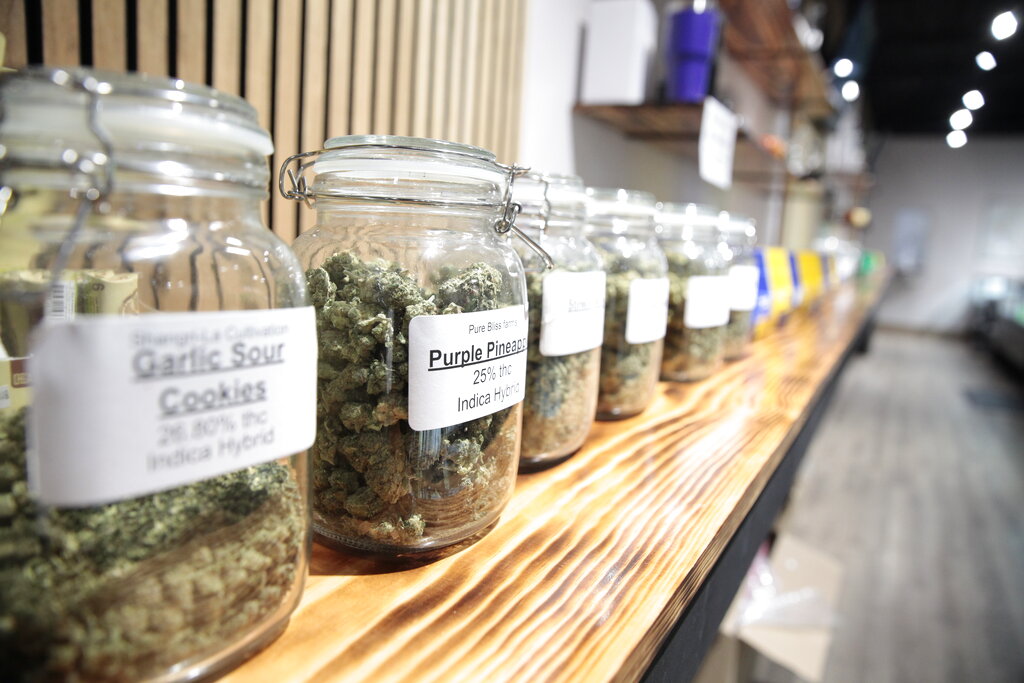 Read More